Plants for a low-light, north-facing balcony
What a north-facing balcony gives you, the plants that thrive in soft light, and the ones to skip.
- Time
- 4 minutes
- Topic
- Light & shade
A north-facing balcony is not a problem. It is a particular kind of light, and plenty of beautiful plants prefer it. It gets steady, even daylight but little or no direct sun for most of the year, it stays cooler in April and May, and it rarely scorches anything. What it cannot do is grow sun lovers. Choose from the right list and a north balcony is one of the easiest to keep green.
What a north balcony actually gets
In India the sun passes to the south for most of the year, so a north-facing balcony sees the sky but not the sun itself. In summer the sun rises in the north-east and sets in the north-west, so the edges of a north balcony may catch an hour of early or late sun. In Bengaluru and Mumbai, which lie south of the Tropic of Cancer, the midday sun even swings slightly to the north for a few weeks either side of June, though monsoon cloud often hides it. How bright it feels depends on what is opposite: an open view gives far more light than a wall ten metres away.
Before you buy anything, stand where the plants will go and look up. If you can see a good stretch of open sky, you have bright indirect light, which suits a long list of plants. If you see mostly the building opposite, the light is low, and the list gets shorter. A light meter app on your phone gives a rough number: readings in the low thousands of lux at midday are bright indirect light; a few hundred lux is low.
Plants that thrive here
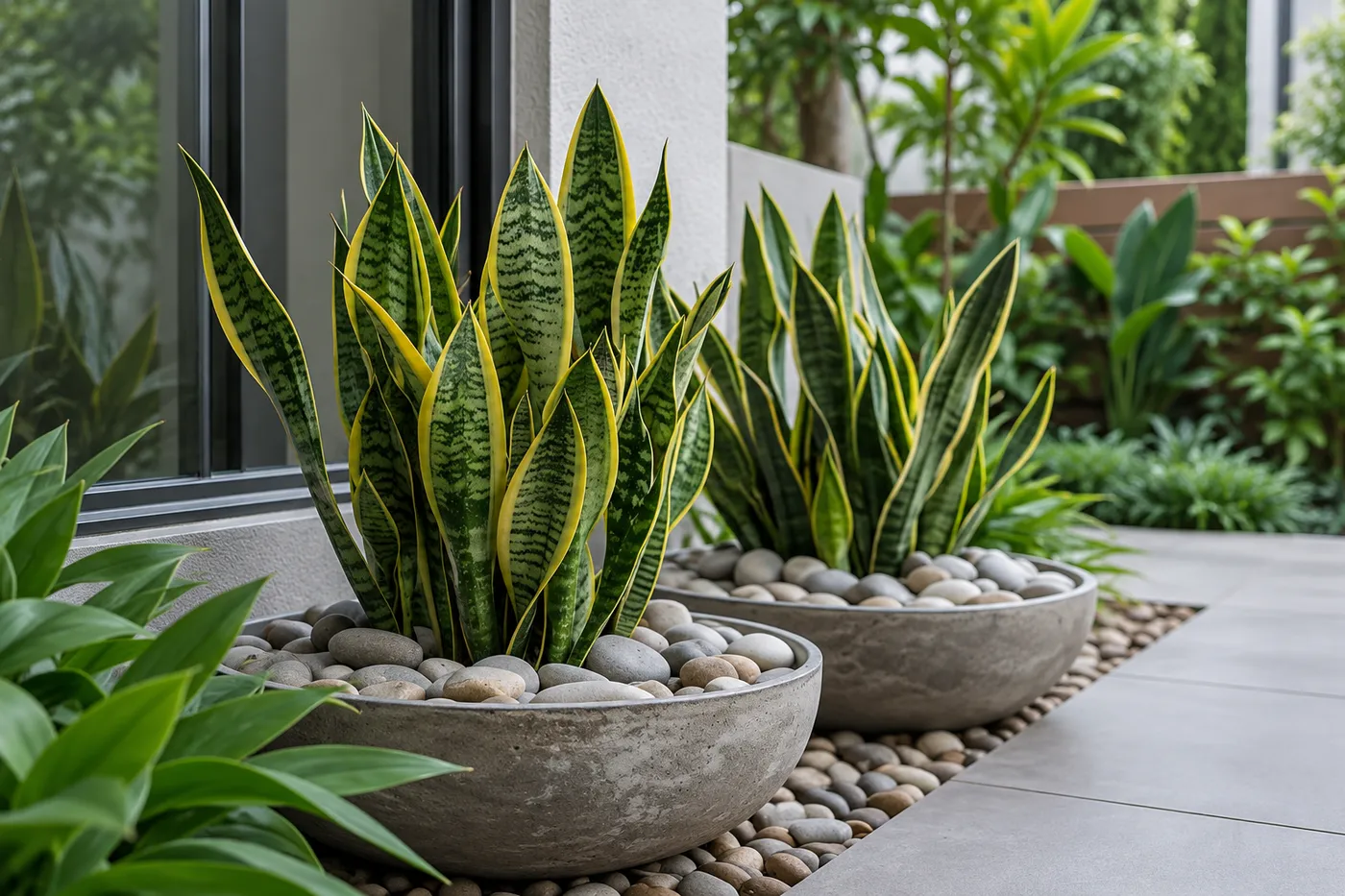
For the darkest corners, choose ZZ plant, snake plant and aglaonema. All three tolerate low light, need little water, and keep their colour. In brighter spots, golden pothos, money plant, heartleaf philodendron and syngonium grow well, trailing from a shelf or climbing a moss pole. Peace lily grows happily in shade, though it flowers more with brighter light. For height, lady palm, bamboo palm and parlour palm all prefer a shaded balcony to a sunny one.
A north balcony is also the best place for plants that burn elsewhere. Calathea, Boston fern and peperomia want soft light and are scorched by direct afternoon sun. In Mumbai's humid air, ferns and calatheas do especially well on a north balcony; in drier Bengaluru and Delhi, group them with other plants to keep the air around them moist.

What to skip
Most flowering plants and herbs need several hours of direct sun, and a north balcony will not give it. Bougainvillea, hibiscus, mogra, tulsi, rosemary, adenium and most succulents and cacti grow leggy and pale and rarely flower there. Mint is the exception among herbs and manages on a bright north balcony, if with smaller leaves. If you want colour, get it from foliage: red aglaonema, croton in the brightest spot, or variegated pothos.
Plants in low light drink far less. Most losses we see on north balconies are not from the light at all, but from watering as if the pots were in full sun.
Water only when the top two inches are dry, which on a north balcony may be every five to ten days. Wipe the leaves once a month so dust does not block what light there is, and turn each pot a quarter turn every couple of weeks so it does not lean toward the open side. Use half the feed you would use on a sunny balcony, because slower growth needs less.