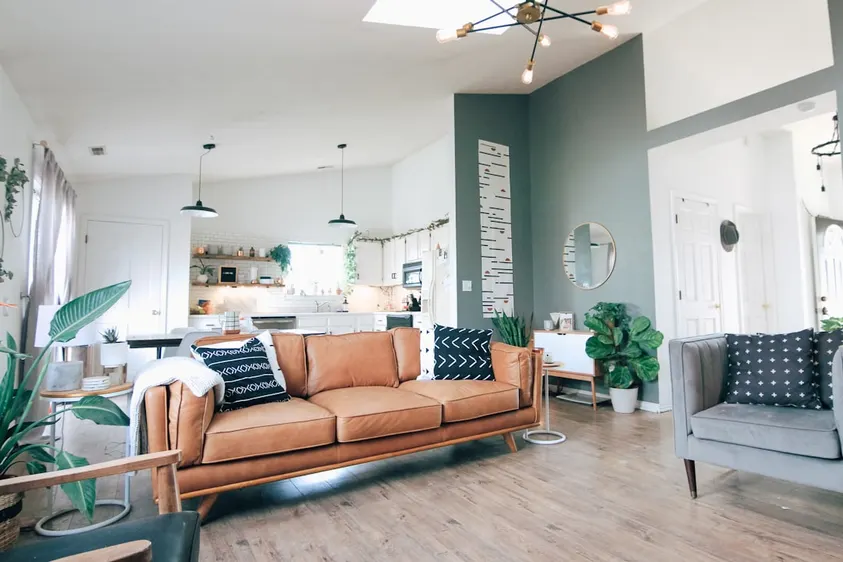
How to know where your plants will get enough light.
Ten minutes with your phone beats any amount of guessing.
- Time
- 7 minutes
- Topic
- Light & shade
Most plants that fail on a balcony are not badly cared for. They are in the wrong light. The nursery tag says 'bright indirect', the seller says it will be fine, and three weeks later the plant is leaning, pale or scorched. Before you buy anything, spend ten minutes measuring the light where the plant will actually sit. You need your phone, a tape measure and three moments in one day.
Use your phone as a light meter
Every smartphone has a light sensor near the front camera that dims the screen. Free lux meter apps read that sensor and show a number in lux. It is not a laboratory instrument, and two phones can disagree, but each phone is consistent with itself, which is what matters. Hold the phone where the plant's leaves will be, screen facing the window or the open sky, and wait a few seconds for the number to settle. Write it down.
Take readings with the room lights switched off, and do not stand between the phone and the window. Cloudy days read lower, so if the sky is overcast, repeat the exercise another day before deciding. In the monsoon, expect every number to drop sharply for weeks at a time, which is worth knowing before you buy a sun-lover in June.
Take three readings: 9 am, 1 pm and 4 pm
Light changes through the day, so a single reading can mislead you badly. Take one at around 9 am, one at 1 pm and one at 4 pm, ideally on a clear day. The morning reading tells you whether the spot gets east light. The afternoon reading shows the harsh west sun that cooks plants in April and May. If the 4 pm number is several times higher than the others, treat that spot as full sun, whatever it looks like at breakfast.
Measure where the plant will sit, not at the railing. One step back from the edge can make a surprising difference, and your phone will show you exactly how much.
Aspect and the overhang
Open the compass app, stand in the balcony doorway and face out. That direction is your aspect. North-facing balconies get soft, even light and very little direct sun. East gets gentle morning sun. South gets long hours of sun, stronger in winter when the sun sits lower. West gets the hottest sun of the day, from about 2 pm onwards, and it is the aspect to plan around in every city we work in.
Then measure the overhang: the depth of the slab or balcony above you. A deep overhang of four feet or more blocks the high midday sun almost completely, so a south-facing balcony under a deep slab can behave like a bright indirect spot. A shallow one lets the sun straight in. On top floors with no slab above, light and heat both climb. The overhang is why two flats in the same building, facing the same way, can need completely different plants.
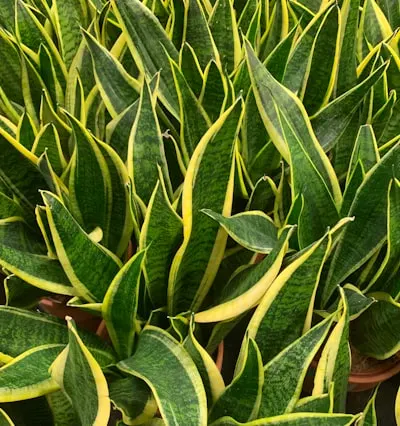
What the numbers mean
Phone readings are rough, so treat these bands as a guide rather than a line in the sand. Use the brightest of your three readings; these are the ranges we work from when planning a balcony. If a spot sits between two bands, choose plants from the lower one. A plant that likes more light will usually survive a little less, while a shade plant pushed into too much sun scorches within days.
Reading the readings
5 thingsKeep the three readings and the compass direction in a note on your phone. When you go to a nursery, or talk to us about a makeover, those four facts answer the first question anyone should ask. They also save you from the most expensive mistake on a balcony, which is buying a beautiful plant for a spot it can never live in.
Finished this lesson?
Marking it done unlocks lesson 2 and updates your path progress.
 Up next, lesson 2Watering without guessing6 min read