
Repotting without the shock
Most plants that die after repotting were not sick, they were handled badly. Five steps, twenty minutes, and it will not skip a beat.
- Time
- 20 minutes
- Difficulty
- Beginner
- Best season
- June to September
A plant does not resent being moved. It resents having its roots torn, being buried too deep, and then being drowned to make up for it. Avoid those three and repotting is routine.
What you will need
5 thingsStep 1: Water it the day before
A moist rootball slides out in one piece. A dry one crumbles and snaps the fine roots that actually feed the plant. Do not repot a thirsty plant.
Step 2: Go one size up, not three
Two inches wider in diameter is the rule. In an oversized pot the extra soil holds water the roots cannot reach, and that is how you get rot.
Step 3: Loosen the roots, do not tear them
Tease the outer roots apart with your fingers until they stop circling. If it is badly root-bound, make three shallow vertical cuts down the sides.
Step 4: Plant it at the same depth
Drainage layer, then mix, then the plant. The soil line on the stem should sit exactly where it was before. Burying the stem deeper is the most common mistake.
Step 5: Water once, then leave it alone
One deep soak until water runs out of the bottom. Then nothing for a week, and no fertiliser for a month. The roots need to go looking for water.
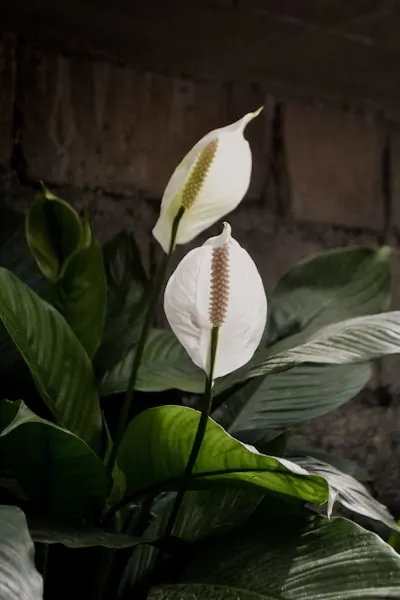
Do not repot a plant in flower
It will drop every bud. Wait until it has finished flowering, then repot in the next growing season. The same goes for anything that looks sick, fix the problem first.
How to tell it worked
- Week one, some droop is normal. It is finding its roots.
- Week two, it should be upright and holding its leaves.
- Week three or four, new growth. That is the confirmation.
- Still drooping after two weeks? It is probably too deep or too wet.
Finished this lesson?
Marking it done unlocks lesson 6 and updates your path progress.
 Up next, lesson 6Winter: slowing down7 min read