A railing planter of kitchen herbs is one of the most used things we install. It sits at hand height, it gets the best light on the balcony, and you can pick a sprig for the chai without leaving the kitchen for more than a moment. Five herbs cover most Indian kitchens: mint, tulsi, lemongrass, curry leaf and rosemary. They do not all want the same thing, so the rail works best when you plan it around their differences.
Sun decides the layout
A herb rail needs at least four hours of direct sun, and five to six is better. Put rosemary and tulsi at the sunniest end, since they need the most light and dislike wet roots. Lemongrass and curry leaf are happy in full sun too. Mint is the most forgiving and can take the end that falls into shade after lunch. On a west-facing balcony in May, all of them appreciate a little afternoon shade.
Rosemary deserves its own note. It loves Bengaluru's dry, sunny months and struggles in Mumbai's monsoon humidity, where it can rot in a few wet weeks. In Mumbai, keep it in terracotta, water sparingly from June, and treat it as the one herb on the rail that may need replacing after a season.
Container sizes
Railing planters are usually 6 to 8 inches deep, which suits tulsi, rosemary and mint. Lemongrass is fine in the rail at first but wants a 10 to 12-inch deep pot once it clumps up, usually after a season. Curry leaf becomes a small tree and does best in its own 12 to 14-inch pot on the floor beside the rail. Every container needs drainage holes and a tray, so water does not drip onto the balcony below. On high floors, check the brackets are tight: a wet planter is heavy and the wind catches it.
Mint goes in its own pot
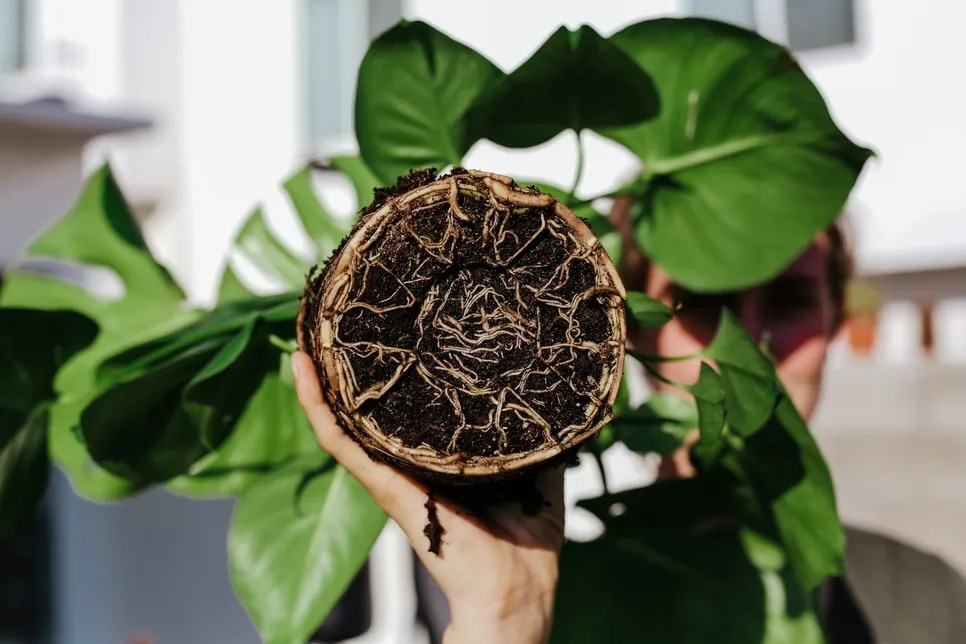
Mint spreads by runners under the soil. Planted in a shared trough, it will fill the whole thing in one season and smother the tulsi beside it. Give it its own pot, about 8 inches wide, set in or hung from the rail. It likes more water than the others: keep the mix just moist, and check it daily in April and May. When it looks tired after a year or so, lift it, split it, and replant the healthiest piece in fresh mix.
Mint in its own pot, everything else in the rail. It is the one rule that stops a herb rail becoming a mint rail.
Harvesting so it keeps growing
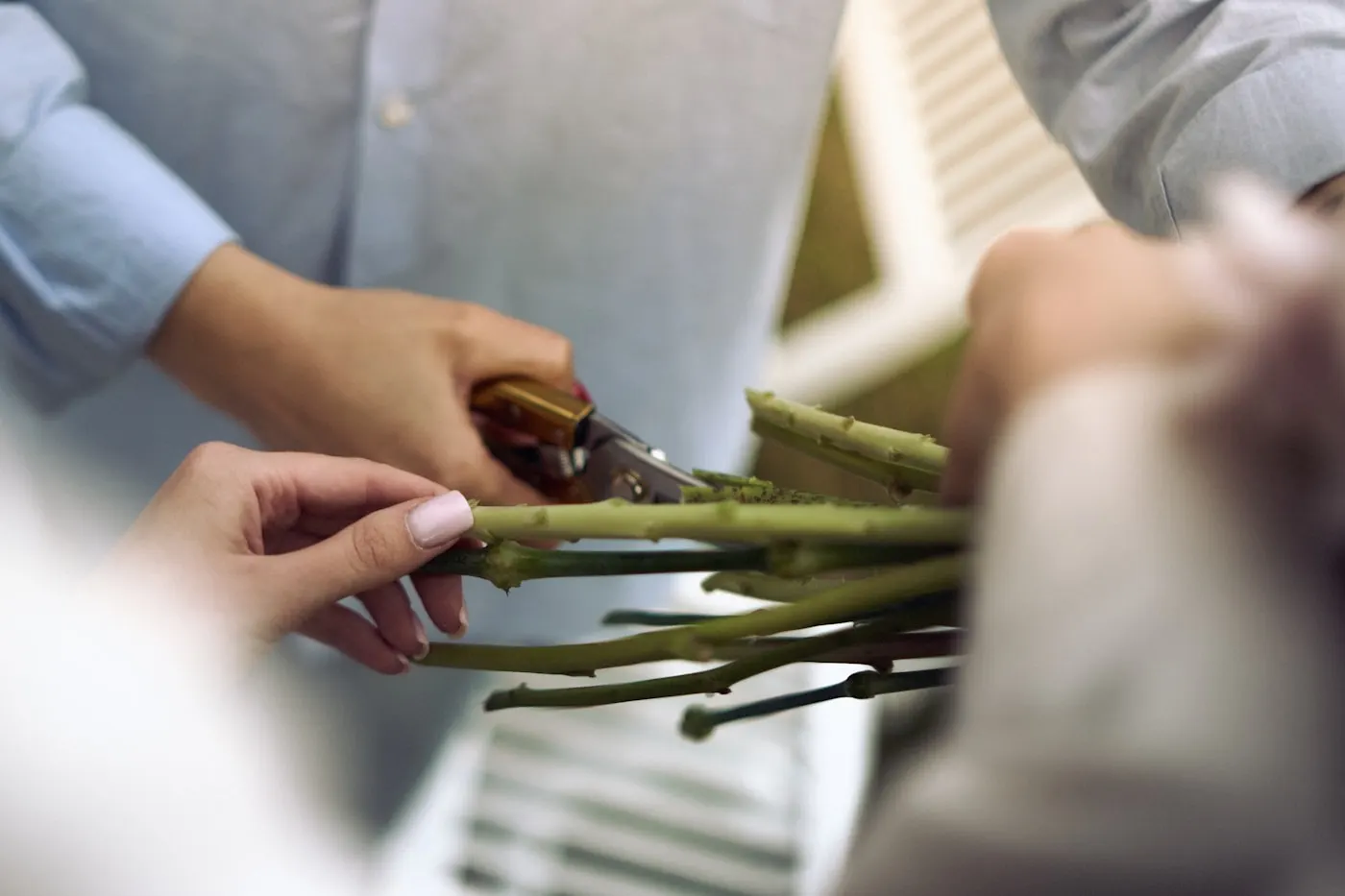
Cut, do not pull. Take stems just above a pair of leaves, which makes the plant branch there, and never take more than a third of a plant at once. Pick tulsi and mint often; regular picking is what keeps them bushy, and pinch off tulsi's flower spikes as they appear. Cut lemongrass stalks at the base with a sharp knife. Take curry leaf as whole sprigs rather than stripping single leaves, and snip rosemary tips rather than old woody stems, which do not regrow.
Feed lightly. A handful of vermicompost around each plant once a month from February to October is enough; too much feed makes soft, leafy growth with less flavour. In the monsoon, watch for rot at the base of rosemary and tulsi, and for caterpillars on curry leaf. Pick caterpillars off by hand in the evening rather than spraying anything on leaves you are about to eat, and let the mix dry a little more between waterings.