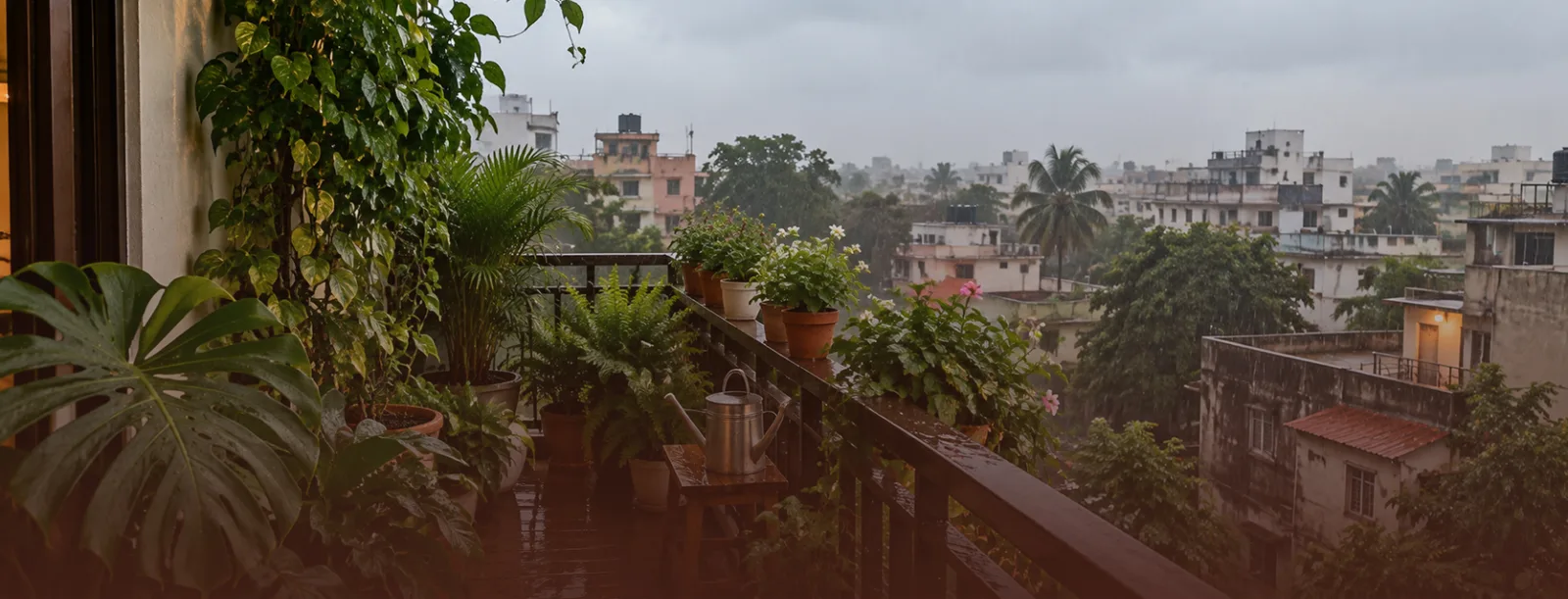
For three monsoons we have kept notes on a set of west-facing balconies we look after in Bengaluru, Pune and Mumbai, alongside balconies in the same buildings facing other ways. We did not set out to run an experiment, and we have no neat graph to show you. What we do have is a clear, repeated picture of what the rain does to the west face, and a short list of changes that made the difference the following year.
The rain comes in sideways
The south-west monsoon arrives on the wind, and on the west side of a building the rain does not so much fall as blow in. On the Mumbai balconies, the overhang that shades plants from afternoon sun in May stopped very little of it, and pots right against the back wall were soaked from the side. In Pune the same happened in heavy spells. In Bengaluru, where the rain is gentler, the west face still took noticeably more than the east. Plants chosen for a hot, dry balcony suddenly found themselves on a wet one.
Waterlogged pots and sour roots
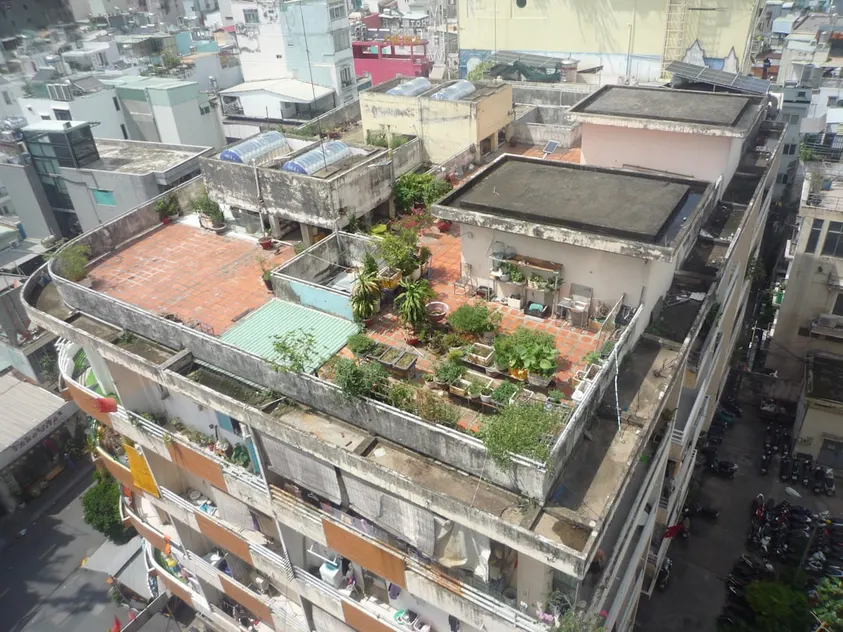
The first problem we saw every year was waterlogging. Pots that needed watering daily in May stayed full for weeks. Saucers filled and stayed full, trough planters with small holes held water at the base, and railing planters dripped onto the balcony below, which brought its own share of calls from society offices. By the second or third week of heavy rain, plants in dense soil were yellowing from the bottom up, and some pots had the sour smell that means roots are rotting.
Spots, mould and rot
Next came fungus. On the west balconies, leaves stayed wet for long stretches with little sun to dry them, and leaf spot turned up on hibiscus, roses and adenium within a few weeks. White mould grew on the surface of cocopeat-heavy mixes. Succulents and cacti on open shelves suffered most, and several went soft at the base. The east-facing balconies in the same buildings, sheltered from the wind-driven rain, had far fewer of these problems.
What the rain leaves behind: salt crust and wind
When the rain eased in September and October, the west balconies had one more surprise. As the soil dried in strong afternoon sun, a white crust formed on the surface and around the rims of terracotta pots. Part of it is fertiliser and minerals drawn up as water evaporates from the top; on the Mumbai balconies nearer the sea, salt carried on the wind added to it. Left alone, it burnt leaf tips on sensitive plants. One thorough flush with clean water, and scraping off the top inch of soil, cleared it.
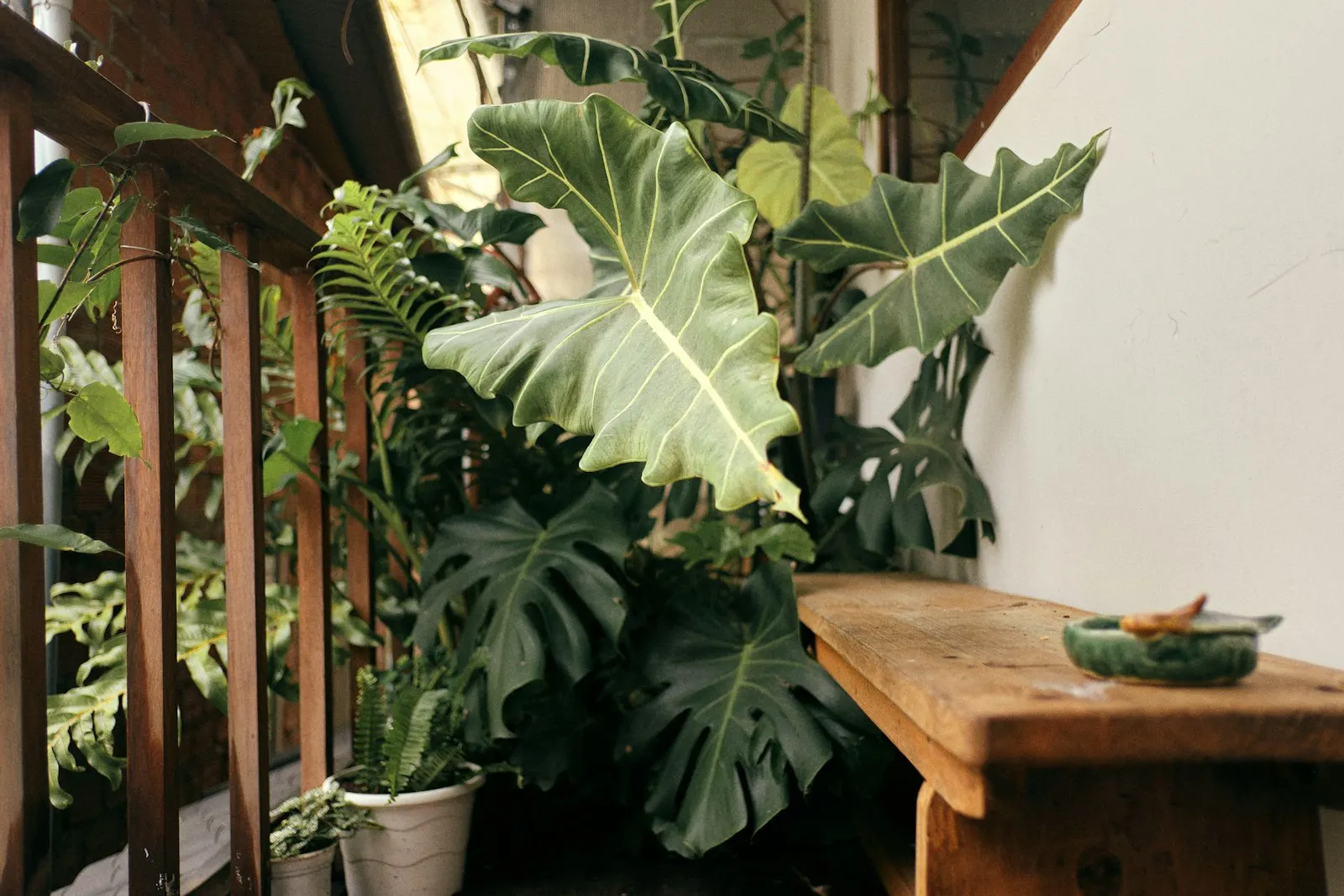
Wind ran through all three seasons. On upper floors facing west, gusts during storms knocked over tall plants in light plastic pots, shredded the leaves of bird of paradise and banana, and snapped young climbers off their supports. Anything tall in a lightweight pot needs weighting at the base or tying back to the railing before June, not after the first storm.
From June to September on a west-facing balcony, take the saucers away and stand pots on feet so rain drains straight off. Keep saucers only under railing planters, where the drip would land on the flat below.
What we now do before June on a west-facing balcony
7 thingsThe west balcony is the hardest to plan for because it swings between extremes: the hottest spot in the building in May and the wettest in July. Few plants cope with both. In our experience, bougainvillea, plumeria, lantana, ixora and tough ornamental grasses in free-draining pots come through best. Anything that needs to stay dry, or anything soft-leaved that sulks in heat, belongs on a different side of the flat.